Florida Attorney General Targets Sweepstakes Casino Operators in Fresh Legal Filings
Geschrieben von Iris Richter · 24.8.2026

Florida Attorney General Targets Sweepstakes Casino Operators in Fresh Legal Filings
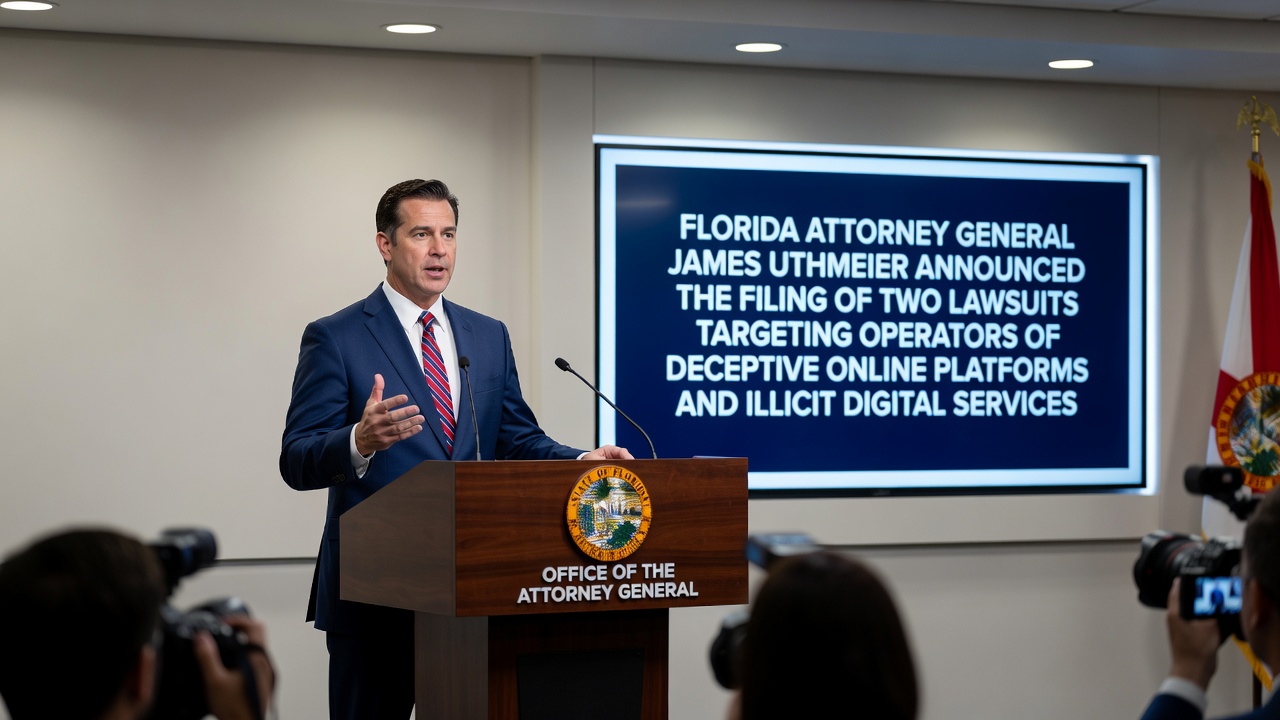
Florida Attorney General James Uthmeier has filed two separate lawsuits that name operators behind several prominent sweepstakes casino platforms and the payment processors tied to those services, with the complaints centering on allegations that the sites operate as illegal online gambling enterprises under state statutes. The platforms identified in the actions include Stake along with VGW’s Chumba Casino, LuckyLand and Global Poker, each of which offers sweepstakes-style gaming that regulators now claim crosses into prohibited territory. Observers note that the filings arrive amid broader state efforts to address unregulated gaming models that have expanded rapidly in recent years, and the cases focus specifically on how these operations interact with Florida residents through digital channels.
Details of the Complaints Filed
The lawsuits outline claims that the named entities function as online casinos by offering games of chance for monetary value, a structure that state law restricts to licensed physical venues or approved formats. Court documents describe how sweepstakes mechanics, while presented as promotional tools, allegedly allow users to exchange funds for credits that carry real-world value, thereby triggering violations of existing gambling prohibitions. Payment processors appear in the suits because they facilitate the movement of money between players and the platforms, creating what the Attorney General’s office characterizes as essential support for the alleged illegal activity. Those who have reviewed similar enforcement actions point out that targeting financial intermediaries often serves as a practical step to disrupt operations without requiring immediate shutdown of every website involved.
Platforms Named and Their Operations
Stake has built a large user base through cryptocurrency-friendly betting interfaces and social gaming elements, while VGW’s Chumba Casino and LuckyLand operate under a sweepstakes model that distributes virtual currencies for play and redemption. Global Poker similarly markets itself around poker tournaments conducted via sweepstakes entries rather than direct wagers. The complaints allege each platform accepts payments from Florida users and provides opportunities to win prizes that hold cash equivalent, a combination that regulators argue meets the legal definition of gambling. Data from industry tracking services shows these sites collectively reached millions of active accounts across the United States prior to the announcements, though exact Florida-specific figures remain part of ongoing discovery in the cases.
Payment processors receive equal scrutiny in the filings because they handle deposits and withdrawals that allegedly sustain the platforms’ revenue streams. Court papers list several entities that processed transactions for the named operators, and the suits seek injunctions to halt those financial connections. Experts who follow gaming enforcement note that cutting off payment rails frequently produces quicker operational impact than litigation against offshore servers alone, since many sweepstakes models rely on repeated small transactions from repeat users.
Regulatory Context and State Authority
Florida maintains strict controls on casino-style gaming outside of tribal compacts and licensed pari-mutuel facilities, a framework that leaves little room for internet-based sweepstakes variants according to the complaints. The Attorney General’s office issued a public statement detailing the filings through its official channels, and the document explains that state law prohibits the promotion and operation of unauthorized gambling regardless of the sweepstakes framing employed. Observers who track multi-state enforcement patterns have seen similar actions in other jurisdictions where regulators argued that free-to-play elements mask underlying monetary exchanges. The two lawsuits together cover both the gaming operators and the financial entities, allowing the state to pursue parallel tracks of relief that include damages, civil penalties and permanent orders barring continued access for Florida residents.
According to the announcement available at the Florida Attorney General’s news release, investigators gathered evidence showing repeated transactions and marketing directed at state residents. The filings do not reference any specific date in August 2026, yet they reflect ongoing monitoring that has intensified as sweepstakes platforms gained visibility through social media and affiliate marketing. Court records indicate the cases will proceed through standard civil discovery, with potential hearings scheduled in the coming months depending on motions filed by the defendants.
Next Steps in the Legal Process
Defendants typically respond to such complaints with motions to dismiss or answers that contest the characterization of sweepstakes play as gambling. Legal teams for the operators have historically argued that no purchase is required to obtain credits and that any prizes result from promotional giveaways rather than wagers, a defense that will likely surface again here. The state, however, maintains that the overall structure creates a pay-to-play environment that violates statutes, supported by transaction records and user interface descriptions included in the complaints. Observers expect that early rulings on preliminary injunctions could determine whether the platforms must alter their Florida-facing operations while litigation continues.
Conclusion
The two lawsuits represent a coordinated effort by Florida authorities to apply existing gambling statutes to contemporary sweepstakes casino models and their supporting financial infrastructure. By naming both the primary operators and the payment processors, the actions aim to address multiple layers of the alleged activity at once. Proceedings will unfold in state court, where judges will evaluate the evidence presented by both sides against the language of Florida’s gaming laws. The outcome carries implications for how other states interpret similar platforms, though each jurisdiction maintains its own statutory framework and enforcement priorities. As the cases advance, additional filings and responses will clarify the legal boundaries that currently separate permitted sweepstakes promotions from prohibited online casino operations within the state.