Austrian Player Payment Preferences at Fortuna and William Hill: How Regulations Shape Mobile Transaction Choices and Bonus Access
Geschrieben von Iris Richter · 22.8.2026
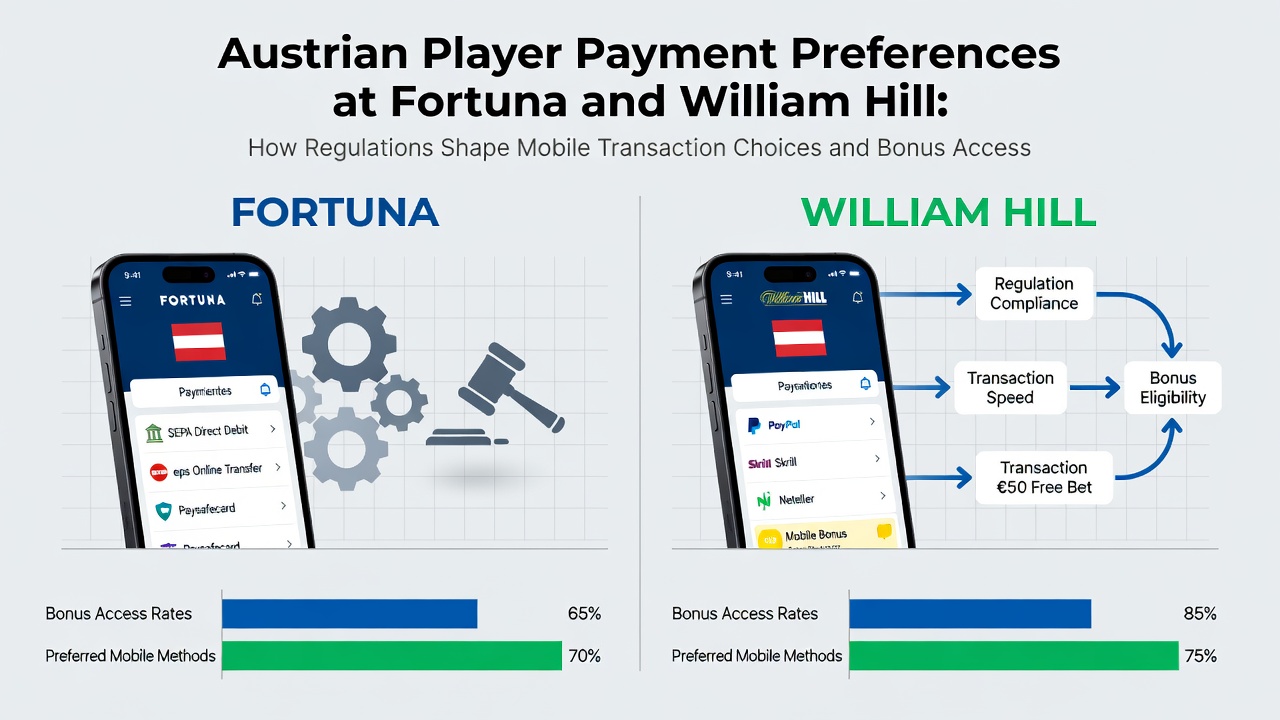
Austrian Player Payment Preferences at Fortuna and William Hill: How Regulations Shape Mobile Transaction Choices and Bonus Access
Austrian regulations continue to influence how players interact with betting operators such as Fortuna and William Hill, particularly when it comes to mobile transaction methods and the availability of bonuses, while data from industry reports shows steady shifts in preferred payment options over recent years.
Operators must comply with licensing requirements set by Austrian authorities, and these rules directly affect which mobile payment solutions receive approval for use on platforms, creating a framework where transaction choices often depend on verification standards and security protocols that align with national standards.
Regulatory Framework Governing Payments
The Austrian gambling market operates under strict oversight from the Federal Ministry of Finance, and this body enforces rules that determine acceptable payment channels for licensed operators including Fortuna and William Hill, while recent updates have emphasized mobile compatibility without compromising consumer protection measures.
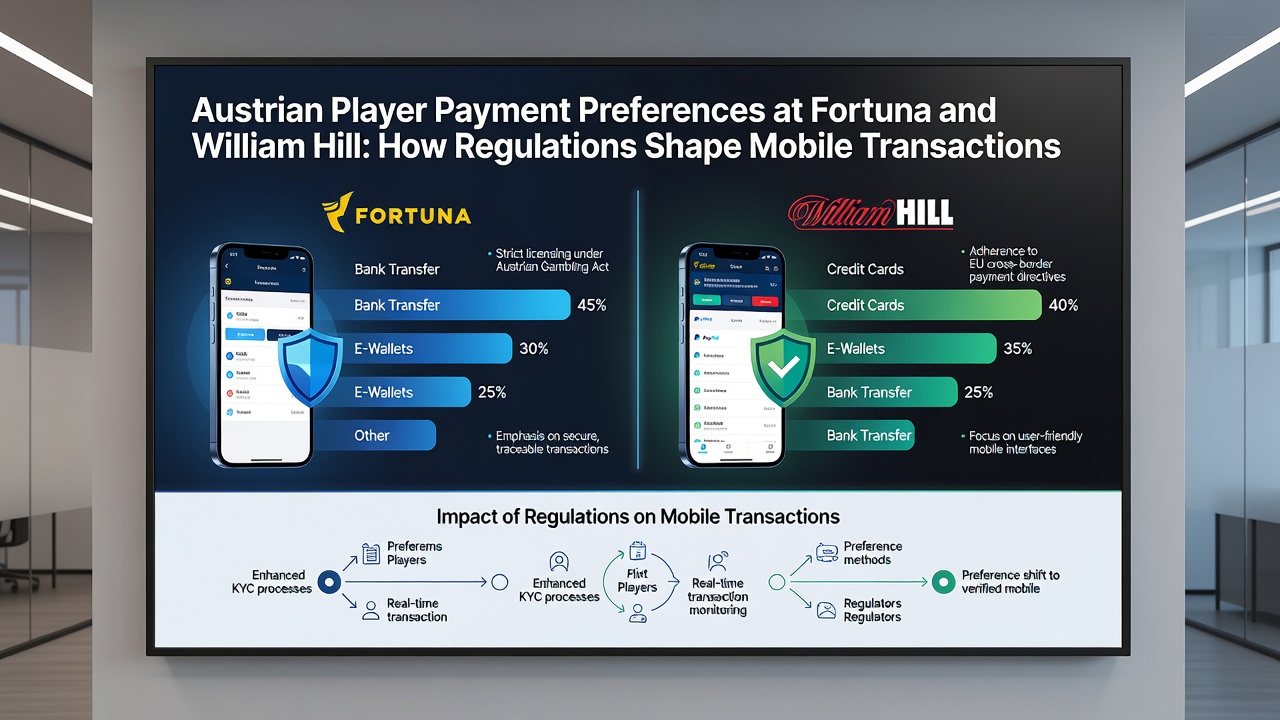
Studies from European research institutions indicate that mobile transactions now account for a growing share of activity in regulated markets, and players in Austria frequently select methods such as bank transfers, e-wallets, and prepaid options that meet verification thresholds established by law, whereas credit card usage faces additional restrictions in certain scenarios.
Fortuna's Approach to Mobile Transactions
Fortuna has adapted its mobile offerings to align with Austrian requirements, and users often find that instant bank transfers and popular e-wallet services provide seamless access while maintaining compliance with identification rules, which in turn supports quicker processing times for deposits and withdrawals compared to traditional methods.
Observers note that the platform's integration of mobile-optimized payment gateways reflects broader trends in the sector, and data reveals higher adoption rates among Austrian players who prioritize speed alongside regulatory alignment when selecting transaction tools.
William Hill's Mobile Payment Options
William Hill structures its services to accommodate regulatory demands in Austria, and mobile users commonly engage with verified e-wallet solutions alongside direct bank connections that facilitate both deposits and bonus eligibility checks, while the operator maintains separate pathways for different transaction types to ensure ongoing compliance.
Research from academic sources on European gambling patterns shows that players gravitate toward methods offering built-in verification features, and this preference influences how William Hill presents options on its app, creating an environment where regulatory factors guide both choice and accessibility.
Bonus Access Tied to Payment Choices
Regulations in Austria link bonus eligibility to specific payment methods that undergo approved verification processes, and operators like Fortuna and William Hill must structure promotions accordingly, which means players selecting compliant mobile options often gain access to deposit matches and free bet incentives that non-verified methods exclude.
Industry analyses from organizations across the EU and North America highlight how these ties affect player behavior, and figures reveal increased usage of certain e-wallets when bonuses become available only through regulated channels, whereas alternative payments may limit promotional participation even if transactions complete successfully.
Developments Expected in August 2026
Changes scheduled for August 2026 include updated guidelines on mobile transaction security that will require enhanced authentication for all licensed platforms, and both Fortuna and William Hill have begun preparing systems to meet these standards, which will further shape how Austrian players complete payments and unlock associated bonuses.
Reports from government agencies in various regions suggest these adjustments will standardize mobile processes across operators, and evidence from prior implementations indicates that players adapt quickly when clear regulatory pathways support preferred methods without introducing new barriers.
Conclusion
Payment preferences among Austrian players at Fortuna and William Hill remain closely connected to regulatory structures that govern mobile transactions and bonus distribution, and ongoing adaptations by operators ensure continued alignment with national requirements while supporting user access to approved methods. Data from multiple sources continues to track these patterns, and the landscape evolves as new rules take effect in the coming years.